How to Get Cheap Car Insurance in the USA: 15 Smart Ways to Lower Your Premium (2026 Guide)
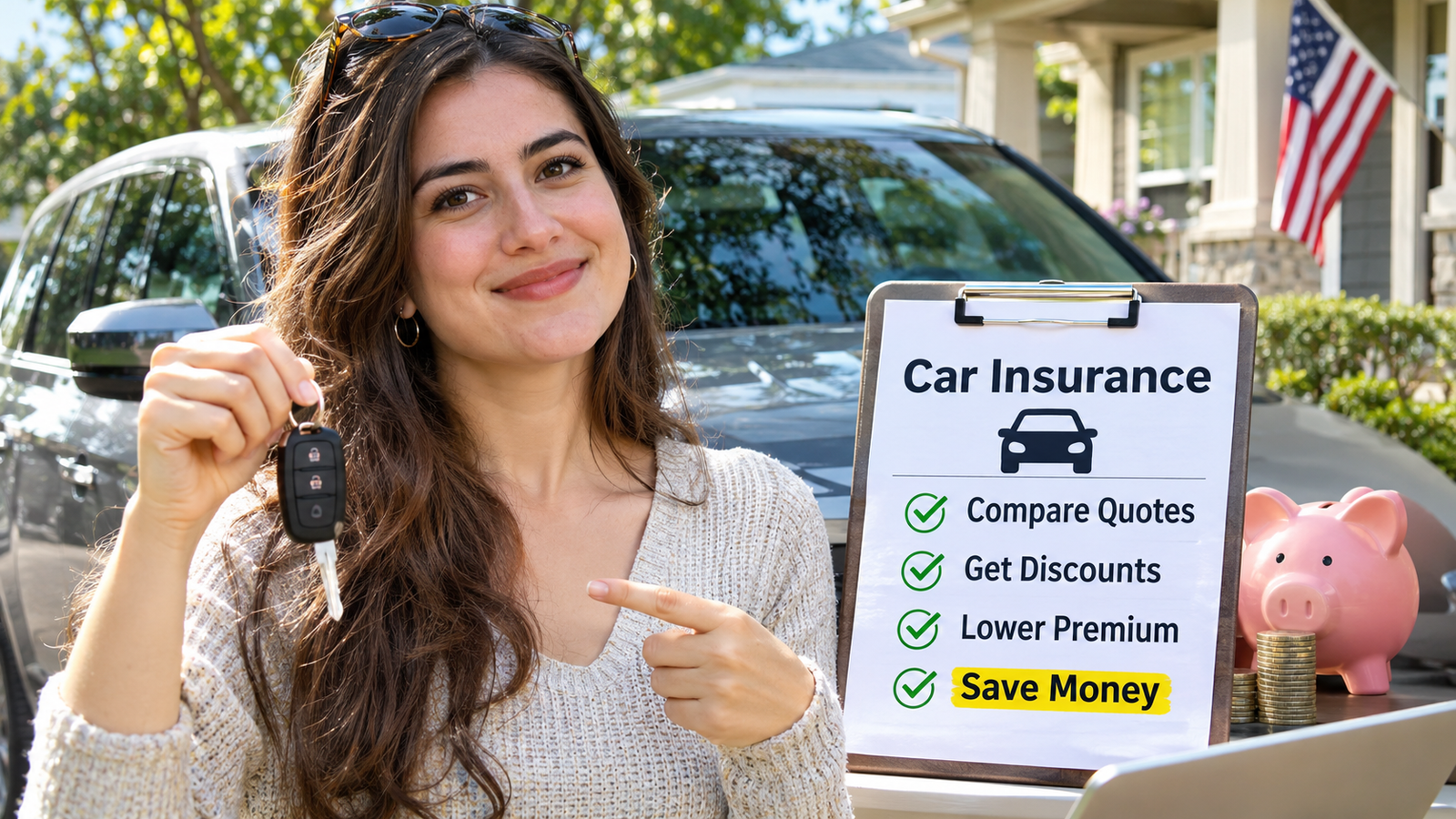
Car insurance is one of those bills that seems to climb every year, even when you haven’t had a single accident. Repair costs, medical expenses and new car technology have all pushed premiums up across the country. The good news is that the price you pay isn’t fixed. Two drivers with the same car in the same city can pay very different amounts, depending on the choices they make.
This guide shows you how car insurance pricing works and what you can actually do to pay less, without leaving yourself unprotected.
First, What Does Car Insurance Cover?
Before chasing a low price, you need to know what you’re buying. A typical policy is made up of several parts:
- Liability coverage: pays for injuries and property damage you cause to other people. It’s required in almost every state.
- Collision coverage: pays to repair your own car after a crash, no matter who’s at fault.
- Comprehensive coverage: covers non-crash damage like theft, vandalism, fire, falling objects, hail and hitting an animal.
- Uninsured/underinsured motorist coverage: protects you if the other driver has no insurance or too little.
- Medical payments or personal injury protection (PIP): helps with medical bills for you and your passengers after an accident. PIP is required in some states.
Every state sets its own minimum liability limits, and the minimums are often quite low. If you cause a serious accident and the damage exceeds your limits, you could be personally responsible for the rest. That’s why the cheapest policy isn’t always the smartest one.
What Decides How Much You Pay?
Insurers use a long list of factors to price your policy. The big ones include:
Your driving record. Tickets, at-fault accidents and serious violations raise your rates, sometimes for years.
Your age and experience. Younger and newer drivers generally pay more because statistically they have more accidents.
Where you live. Cities with heavy traffic, more theft and more claims usually cost more than quiet rural areas. Even your ZIP code matters.
Your car. The make, model, age, safety features, repair costs and theft rates all play a role. A sporty or luxury vehicle usually costs more to insure than a modest family sedan.
How much you drive. More miles generally means more risk.
Your credit-based insurance score. In most states, insurers use credit information as one factor. A few states restrict or ban this practice.
Your coverage choices. Higher limits and lower deductibles mean a higher premium.
Knowing this helps you see where you have control and where you don’t.
15 Ways to Lower Your Car Insurance Cost
1. Compare Quotes From Several Insurers
This is the single most effective step. Prices for the same driver can vary enormously between companies, because each insurer weighs risk differently. Get quotes from at least four or five, including large national insurers, regional companies and independent agents who can shop several carriers for you. Do this every year, not just when you buy.
2. Raise Your Deductible
Your deductible is what you pay before insurance covers a collision or comprehensive claim. Choosing a higher deductible lowers your premium. Just make sure you could comfortably pay that amount tomorrow if you had to.
3. Bundle Your Policies
Most insurers discount your rate if you buy auto together with home, renters or other policies. Always compare the bundled price against separate policies, because the best deal isn’t always the bundle.
4. Ask About Every Discount
Discounts are often available but not automatically applied. Ask about:
- Safe driver or accident-free discounts
- Good student discounts for young drivers
- Low mileage discounts
- Defensive driving course discounts
- Multi-car discounts
- Anti-theft device and safety feature discounts
- Paid-in-full discounts
- Affiliation discounts through employers, alumni groups or professional associations
- Military and veteran discounts
5. Try Usage-Based Insurance
Many insurers offer programs that track your driving through an app or a device, looking at things like braking, speed, time of day and mileage. Safe drivers can earn meaningful discounts. If you drive carefully and not much, it’s worth a look. Check how your data is used and whether the program could raise your rate for risky habits.
6. Keep a Clean Driving Record
It sounds obvious, but a clean record is your best long-term discount. Avoid speeding tickets, distracted driving and other violations. A single serious violation can raise your premium for several years. If you do get a minor ticket, ask whether traffic school or a defensive driving course could keep it off your record, depending on your state’s rules.
7. Maintain Good Credit
In most states, better credit generally means lower insurance rates. Paying bills on time, keeping credit card balances low and fixing errors on your credit report can gradually help your premium.
8. Choose a Car That’s Cheap to Insure
If you’re shopping for a vehicle, check insurance costs before you buy. Cars with strong safety ratings, low theft rates and affordable repair costs are usually cheaper to insure. Getting insurance quotes for different models can save you real money over the years.
9. Drive Less
If you’ve started working from home, switched to a shorter commute or use your car mainly for weekends, tell your insurer. A lower annual mileage can reduce your premium. Be honest, though, because misreporting mileage can cause problems with claims.
10. Review Your Coverage on Older Cars
If your car is older and worth very little, paying for collision and comprehensive might not make sense anymore. A common rule is to compare the yearly cost of that coverage against the car’s market value. If the premium is a big share of what the car is worth, dropping it could save money. Keep liability coverage, though.
11. Don’t Let Your Coverage Lapse
A gap in insurance, even a short one, can make insurers see you as higher risk and charge more. If you’re not driving a car for a while, ask about options instead of cancelling completely.
12. Pay Smartly
Paying your full premium upfront, or for six months at a time, is often cheaper than paying monthly, which can add installment fees. Setting up automatic payments or paperless billing can sometimes earn a small discount too.
13. Consider Where You Park
Cars kept in a garage or secure parking can sometimes cost less to insure than cars parked on the street in high-crime areas. Tell your insurer where the vehicle is garaged.
14. Review Your Policy After Life Changes
Moving to a lower-risk area, getting married, adding a safe driver to your policy, a longer commute becoming shorter, or a young driver leaving for college without a car can all change your rate. Review your policy whenever your situation changes.
15. Work With an Independent Agent
Independent agents work with multiple insurance companies and can find a policy that matches your profile. Their service is usually free to you, since they’re paid by the insurer. It can save you a lot of time.
What Not to Do When Trying to Save
Cheap shouldn’t mean careless. Avoid these mistakes:
- Carrying only state minimum liability when you have savings or assets to protect.
- Lying on your application about your address, driving history or who drives the car. This can lead to denied claims or cancelled policies.
- Choosing a deductible you can’t afford to pay.
- Buying from an unlicensed or unknown company. Check that the insurer is licensed in your state and look up complaint records with your state’s insurance department.
- Ignoring customer service and claims reputation. A cheap policy isn’t a bargain if claims are slow or constantly disputed.
What If You’re a High-Risk Driver?
If you have accidents, DUI convictions or a lapse in coverage, finding affordable insurance gets harder. Some options include:
- Comparing non-standard insurers that specialize in higher-risk drivers
- Looking into your state’s assigned-risk or high-risk insurance programs
- Taking a defensive driving course where allowed
- Rebuilding your record and shopping again after a clean period
Rates tend to drop gradually as time passes without new violations.
Tips for Young and New Drivers
Young drivers face the highest rates, but there are ways to ease the cost:
- Stay on a parent’s policy if possible
- Look for good student and driver training discounts
- Choose a safe, modest, older car
- Consider usage-based programs
- Raise the deductible if you can afford it
Frequently Asked Questions
Is the cheapest insurance always the best?
No. A low price with weak coverage or poor claims service can cost you more in the end.
How often should I compare car insurance quotes?
At least once a year, and also after major life changes or a big rate increase at renewal.
Does my credit score really affect my car insurance?
In most states, yes, though a few restrict it. Better credit often leads to lower rates.
Will one ticket raise my rates?
It can, especially for serious violations, but the effect varies by insurer and by how long the ticket stays on your record.
Is full coverage required?
Not by law in most states, but lenders usually require it if you have a car loan or lease.
Can I get insurance without a US driver’s license?
Some insurers accept international licenses or other documents, but rules differ by company and state, so ask directly.
Final Thoughts
Cheap car insurance isn’t about luck. It’s about shopping around, knowing what affects your price, and making smart choices about coverage, deductibles and discounts. Spend an hour comparing quotes this year and you could save hundreds of dollars, with the same or better protection.
Remember the goal: you want a policy that’s affordable now and still protects you when something goes wrong. Balance both, review your coverage every year, and keep your driving record clean. Your wallet will thank you.
Disclaimer: This article is for general information only and isn’t financial, legal or insurance advice. Rates, rules and discounts vary by state and insurer and change often, so confirm current details with a licensed agent or your state’s insurance department before making decisions.